- Home
- Trouser Styles
Trouser Styles.
Seven formal trouser styles, examined one at a time like specimens on a cutting table — what each looks like, who and what it suits, and how to style it with intent.
Slim
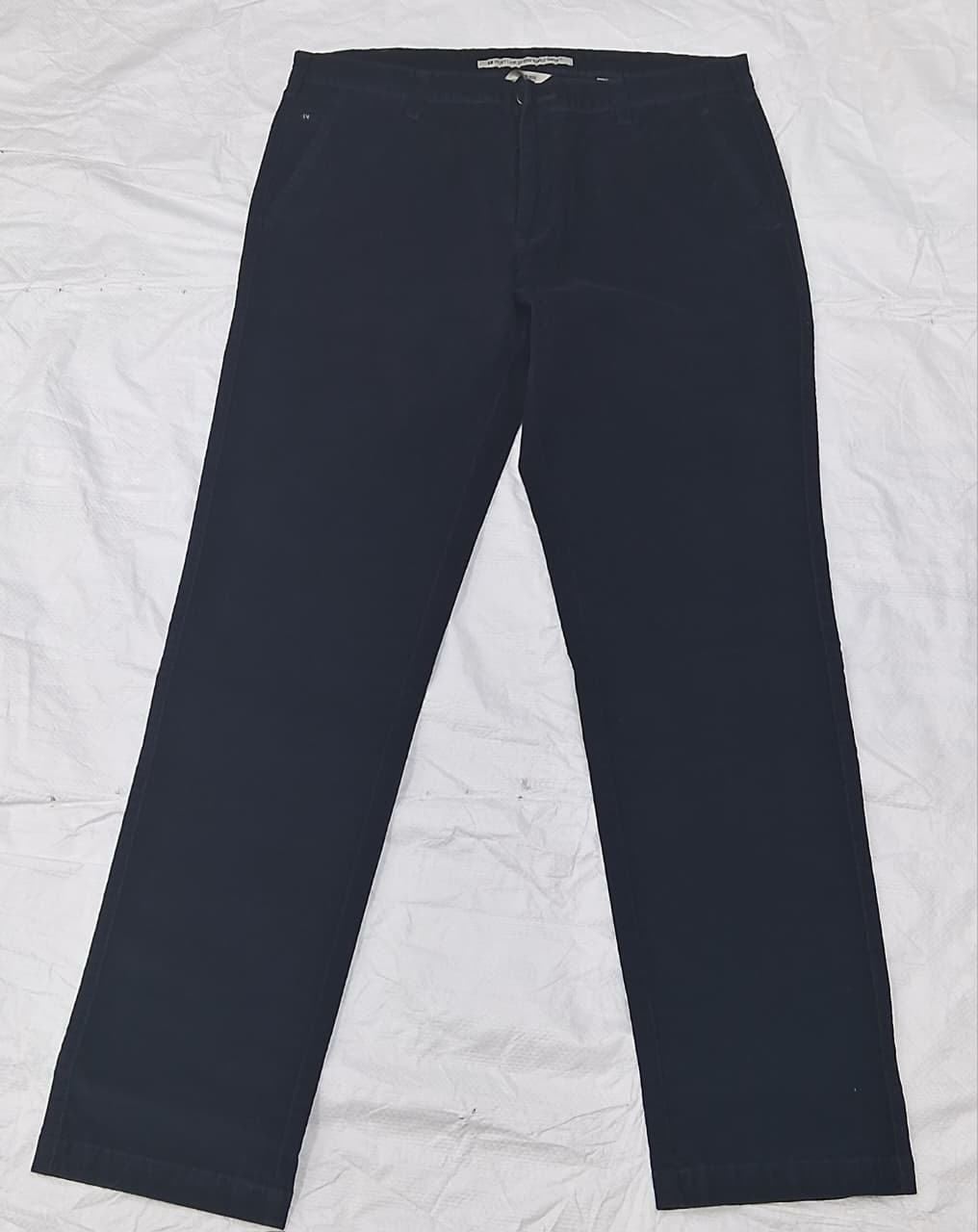
Slim Fit
Close-cut through the seat and thigh, with a leg that narrows gently to a smaller opening.
The slim fit formal trouser is the defining line of contemporary menswear. It removes excess cloth so the leg reads as a single clean shape, which makes the wearer look taller and tidier. Its success depends on balance: slim should follow the body, never grip it.
- Visual character
- Lean, sharp and modern; minimal fabric movement.
- Often suits
- Those who prefer a streamlined look and fitted shirts; contemporary offices.
- Styling
- A short or no break, slim leather shoes, a fitted shirt tucked cleanly; a narrow belt.
- Watch for
- Horizontal pulling across the thigh, pockets that flare open, or creasing at the knee when standing.
Regular
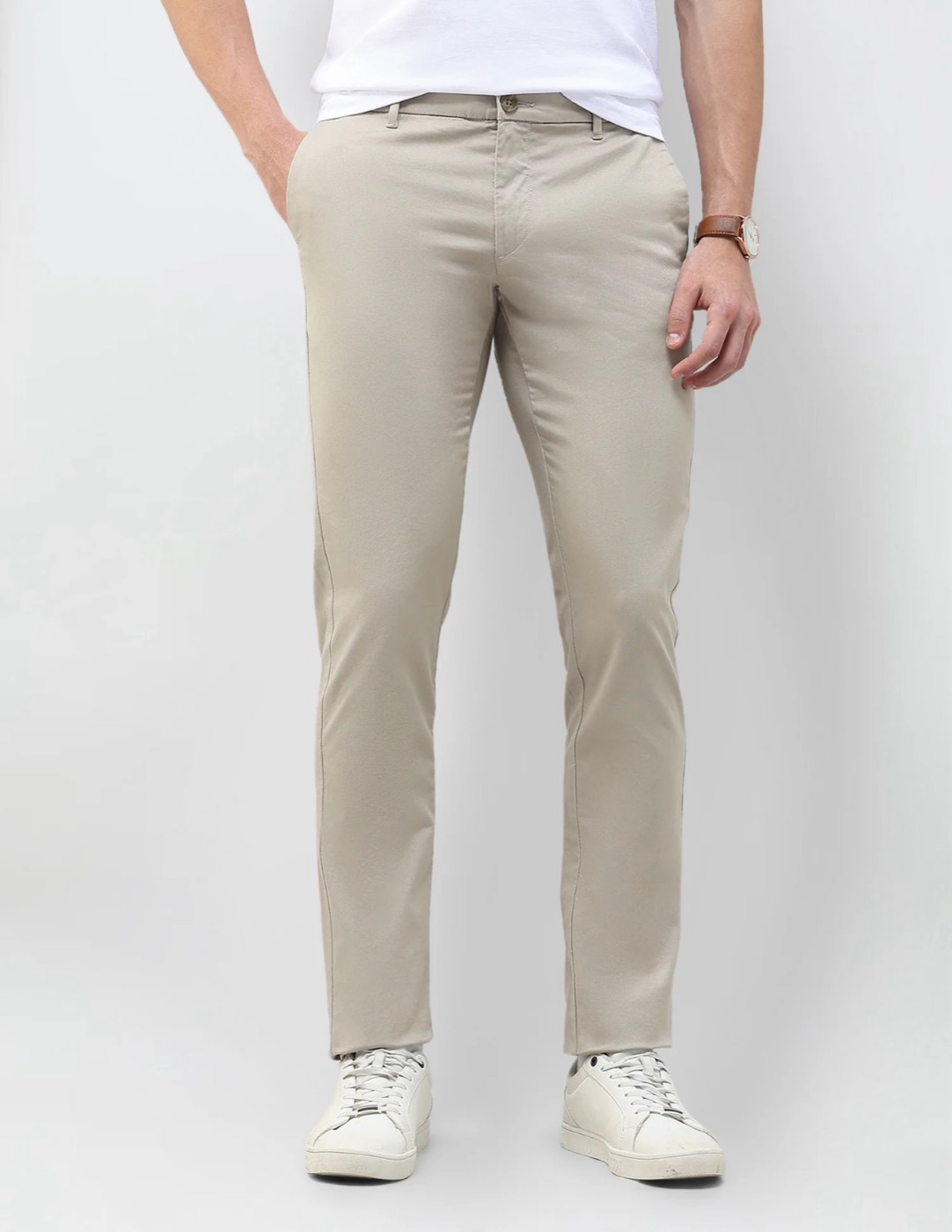
Regular Fit
Comfortable room through the seat and thigh, with a moderate leg that falls straight.
Regular fit is the long-standing standard for formal and business trousers. It gives freedom to sit, walk and travel without strain, and its moderate proportions sit naturally beneath suit jackets and blazers. A regular fit should never look baggy — it should look relaxed and correct.
- Visual character
- Balanced, classic and comfortable; a gentle drape.
- Often suits
- Long working days, traditional tailoring, a wide range of builds.
- Styling
- A slight break, Derby or Oxford shoes, regular-fit shirts and classic belts.
- Watch for
- Excess fabric pooling at the ankle, or a seat so full the fabric folds when standing.
Straight
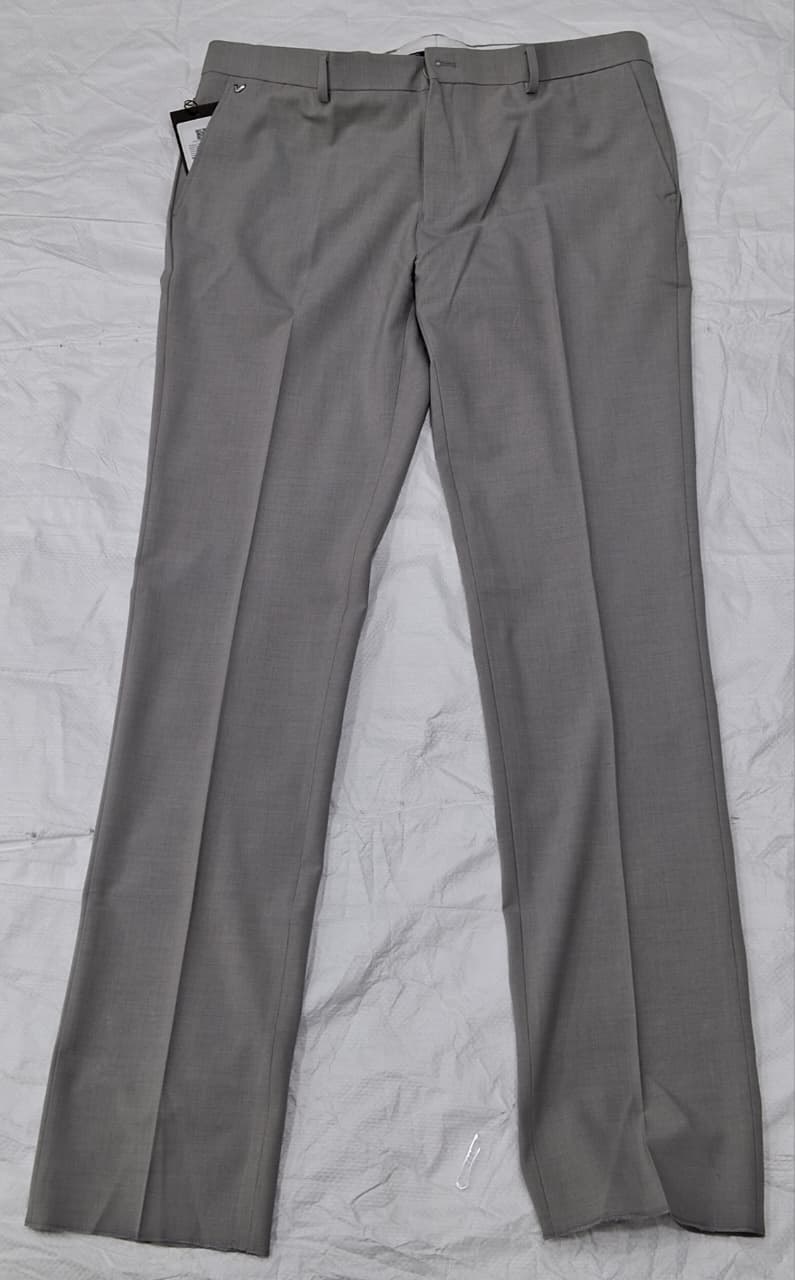
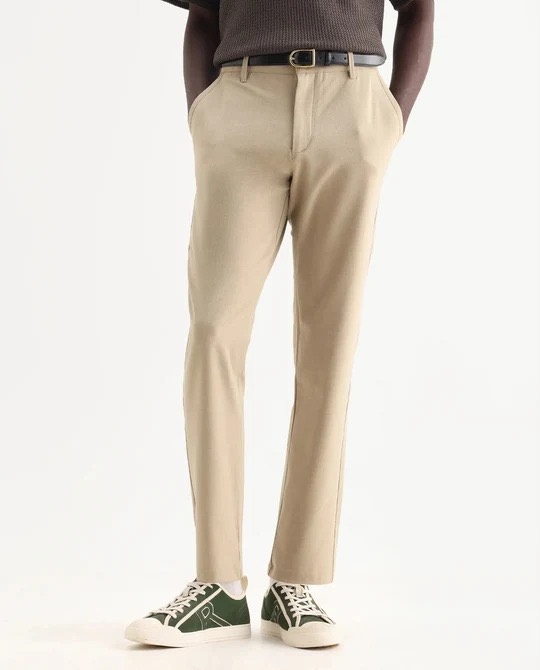
Straight Fit
A leg of near-constant width from knee to hem — an architectural column of cloth.
Straight fit trousers neither taper nor flare. The result is a strong vertical line that lengthens the leg and lets the front crease do the visual work. It is a quietly confident silhouette that suits both formal shoes and smart, minimal footwear.
- Visual character
- Vertical, balanced, composed.
- Often suits
- Those who want a classic look that is not loose; taller and athletic builds.
- Styling
- A light break over the shoe; sturdy Derbies, loafers or minimal leather sneakers for smart-casual days.
- Watch for
- A leg opening too wide for slim shoes, which can make the foot look lost.
Tapered
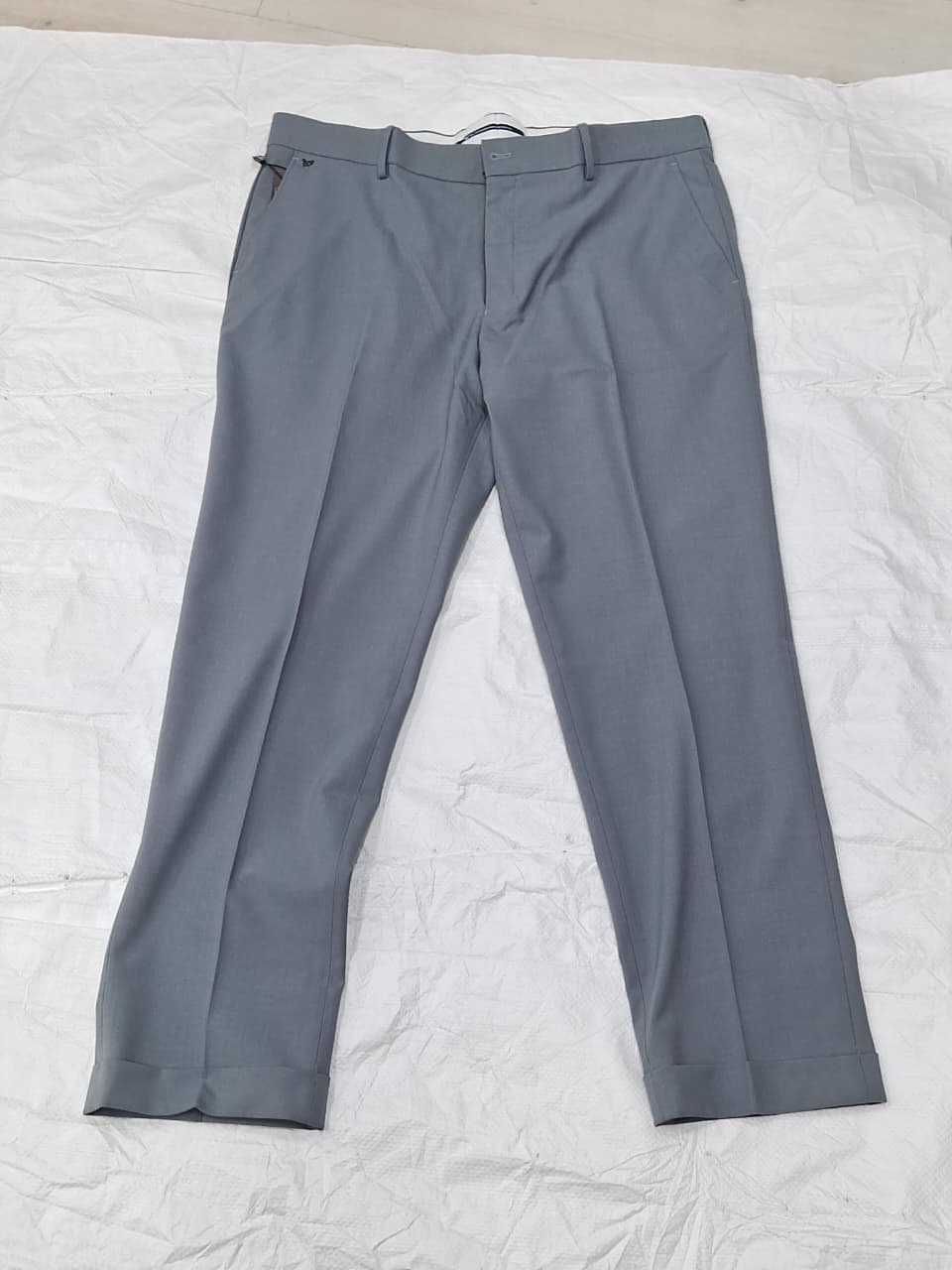
Tapered Fit
Room at the top, narrowing steadily from the knee to a neat ankle.
A tapered trouser combines comfort through the seat and thigh with a refined lower leg. It shows off the shoe and avoids excess fabric at the ankle, which makes it well suited to modern smart dressing. Because the taper is gradual, it often feels easier to wear than a fully slim cut.
- Visual character
- Shaped, modern, energetic.
- Often suits
- Those with fuller thighs who still want a neat finish; smart-professional and travel days.
- Styling
- Little or no break; loafers, monk straps or clean leather sneakers; knit polos or tucked shirts.
- Watch for
- A taper so sharp that the hem grips the ankle or rides up when seated.
Pleated
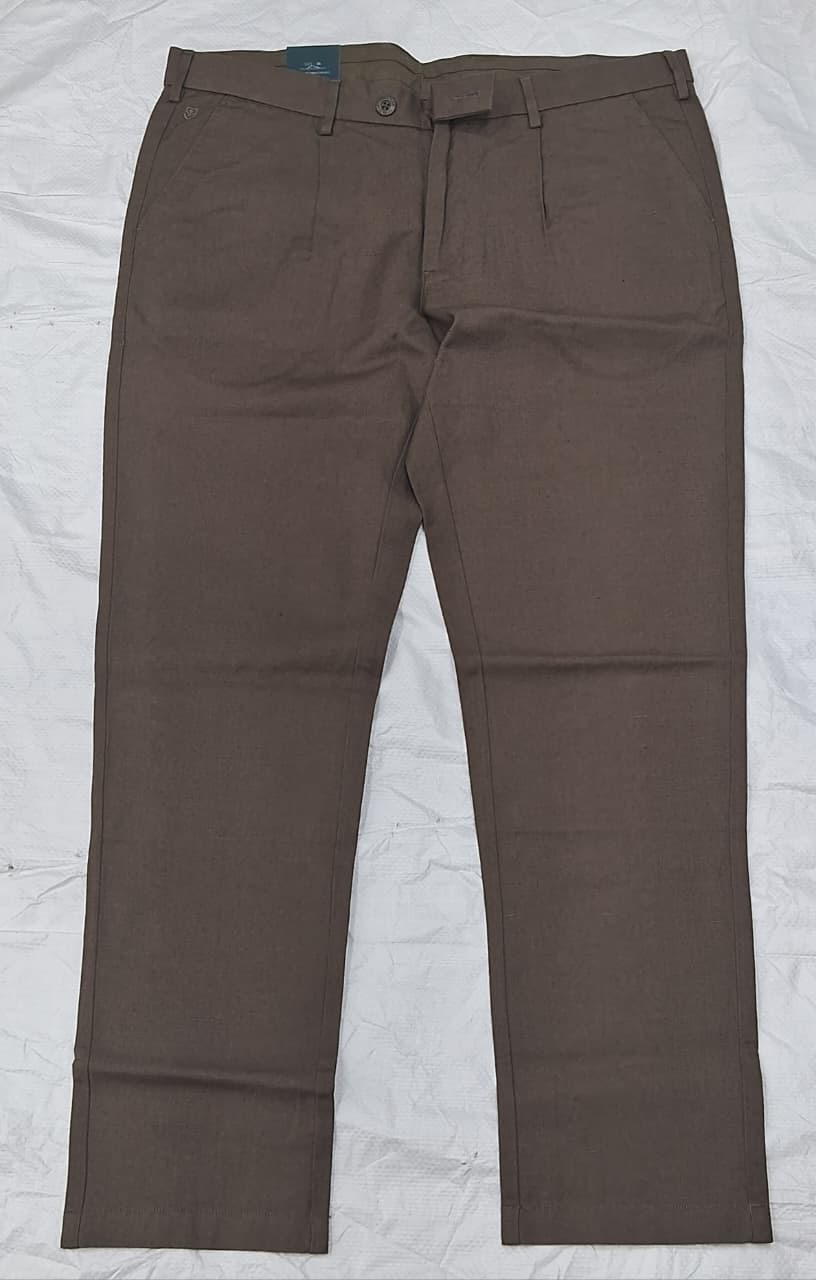
Pleated Fit
Folds sewn into the waistband give room through the hip and thigh, and movement to the drape.
Pleats are among the oldest details in trouser making. Single pleats are subtle; double pleats give more room and a more traditional look. Forward pleats open towards the fly; reverse pleats open towards the pockets. Either way, pleats work best with a mid-to-high rise and a crease that continues the line of the pleat down the leg.
- Visual character
- Elegant, fluid, classic.
- Often suits
- Those wanting comfort through the hip; formal occasions; classic tailoring.
- Styling
- Tucked shirts, a defined waist, a moderate break; Oxfords or loafers.
- Watch for
- Pleats that splay open when standing — a sign the waist or hip is too tight.
Technical drawing · pleats in ochre, crease dashed
Flat-front
Flat-Front Trousers
No pleats — a smooth, uninterrupted panel from the waistband to the crease.
Flat-front trousers are the default in contemporary formal wear. Without pleats, the front is clean and minimal, which suits slim, straight and tapered cuts alike. Flat-front styles rely on accurate sizing at the waist and hip, because there is no extra fabric to absorb a poor fit.
- Visual character
- Clean, minimal, modern.
- Often suits
- Everyday office wear; slim and tailored silhouettes; warm climates.
- Styling
- Works with tucked or untucked-length shirts, knitwear and most shoe styles.
- Watch for
- Diagonal creases radiating from the fly, which indicate the hip is too snug.
Tailored
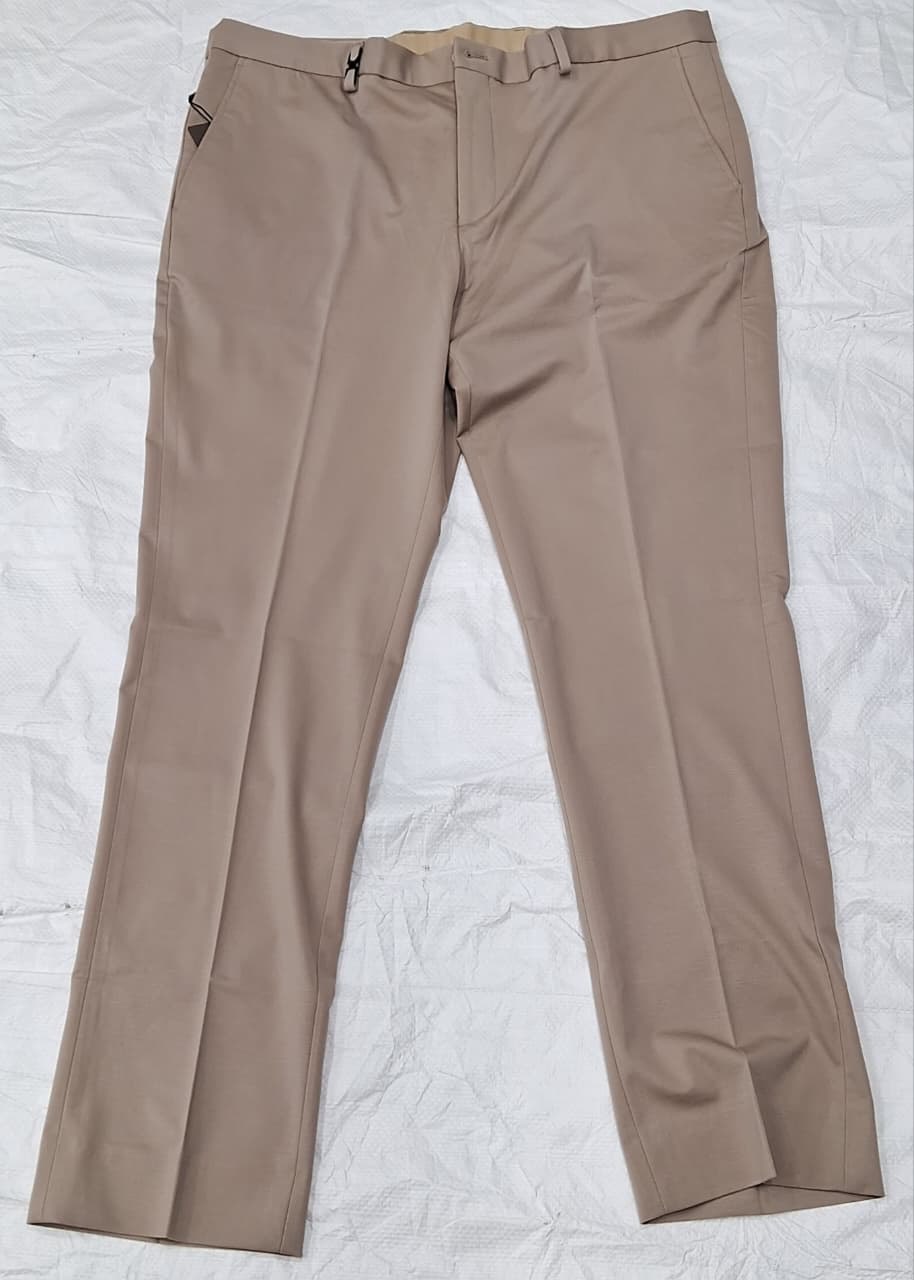
Classic Tailored Trousers
A defined waist, a clean seat and a leg that follows the body without clinging.
Classic tailored trousers borrow the logic of a suit: proportion first, decoration last. The waistband sits securely, the crease is pressed sharp and the hem is finished to a precise length. They look complete with a jacket and just as composed without one.
- Visual character
- Precise, polished, enduring.
- Often suits
- Formal offices, client-facing roles, ceremonies and evening events.
- Styling
- A slight break; Oxfords or polished loafers; crisp shirts; a belt matched to the shoes.
- Watch for
- A hem left too long — the clean line of a tailored trouser depends on its length.
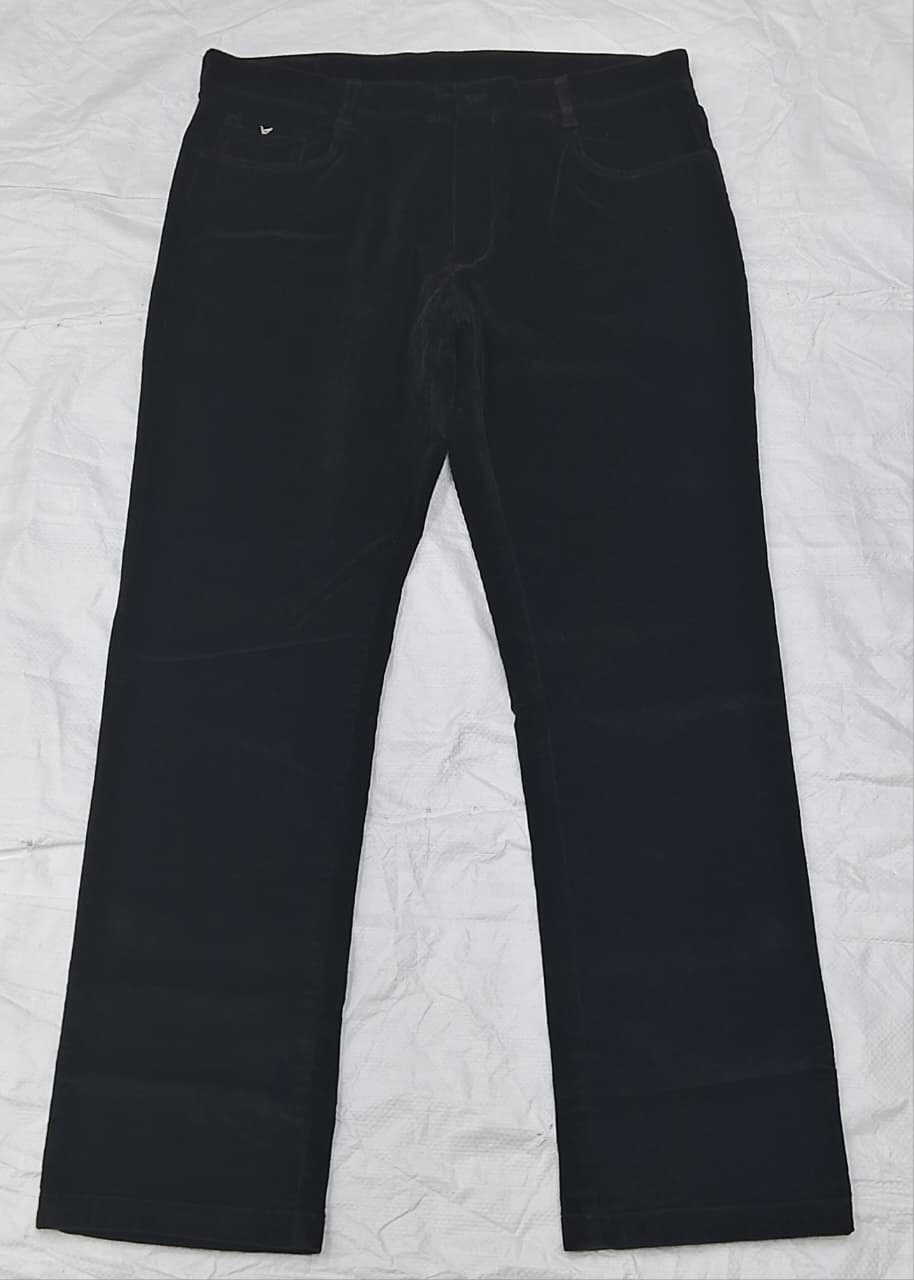
Choosing between styles
Side by side.
| Style | Formality | Room to move | Natural shoe partner |
|---|---|---|---|
| Slim Fit | Modern formal | Close | Slim Oxfords, loafers |
| Regular Fit | Classic formal | Generous | Derbies, Oxfords |
| Straight Fit | Classic to smart | Moderate | Derbies, loafers |
| Tapered Fit | Smart professional | Room above, neat below | Loafers, monk straps |
| Pleated | Classic formal | Generous at the hip | Oxfords, loafers |
| Flat-Front | Modern formal | Depends on cut | Most formal shoes |
| Classic Tailored | Most formal | Balanced | Polished Oxfords |
The table is a starting point, not a rulebook — the right style depends on your build, your workplace and how you like to feel in your clothes. Continue to Fit & Silhouette to understand the proportions behind each style.