Options Mall logo
  1. Home
  2. Fabric & Construction

Fabric & ConstructionThe cloth archive.

Two trousers can share a cut and a colour and still feel entirely different. The difference lives in the cloth and in the way it is put together. This archive opens the drawers on both.

A note on honesty: this room explains fabric types in general. Fabric compositions vary from garment to garment — always check the label, or ask the Options Mall team about a specific trouser.

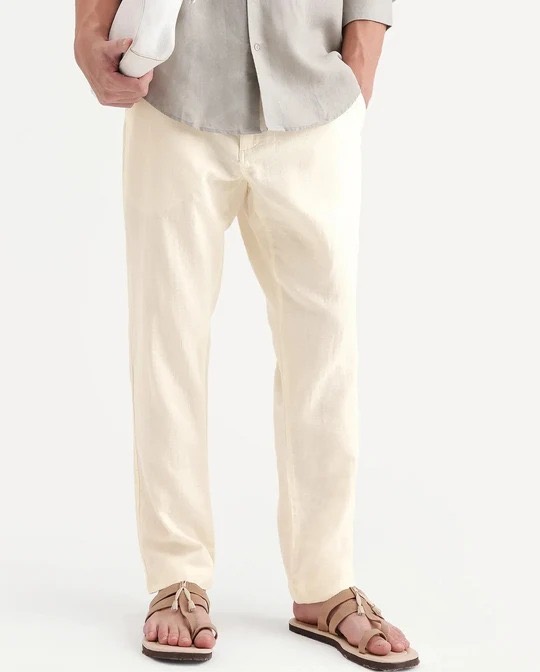
Cream lightweight trousers worn with a linen shirt and sandals
Plate 04.0Lightweight cloth, warm-weather drape
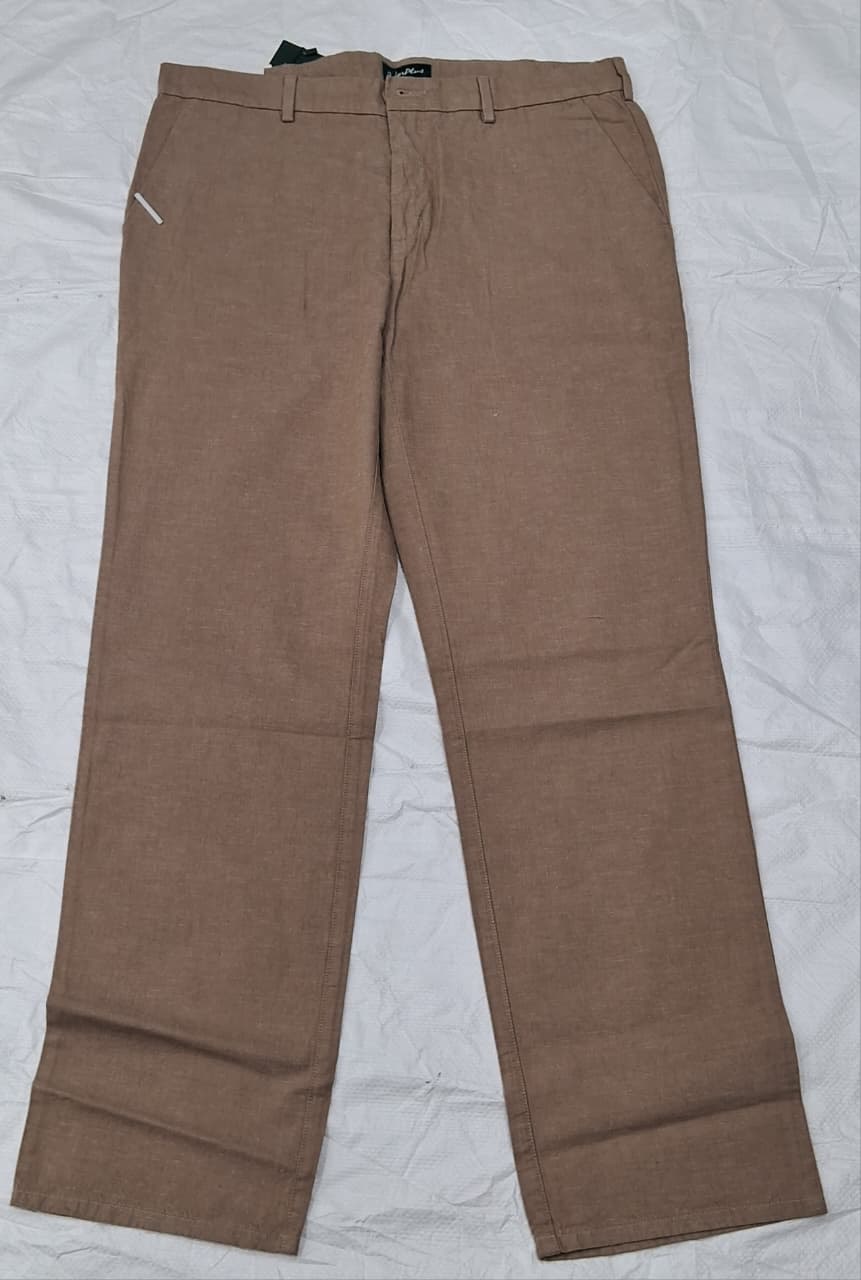
Brown textured weave trouser cloth in close view

Drawer 01Textured weave

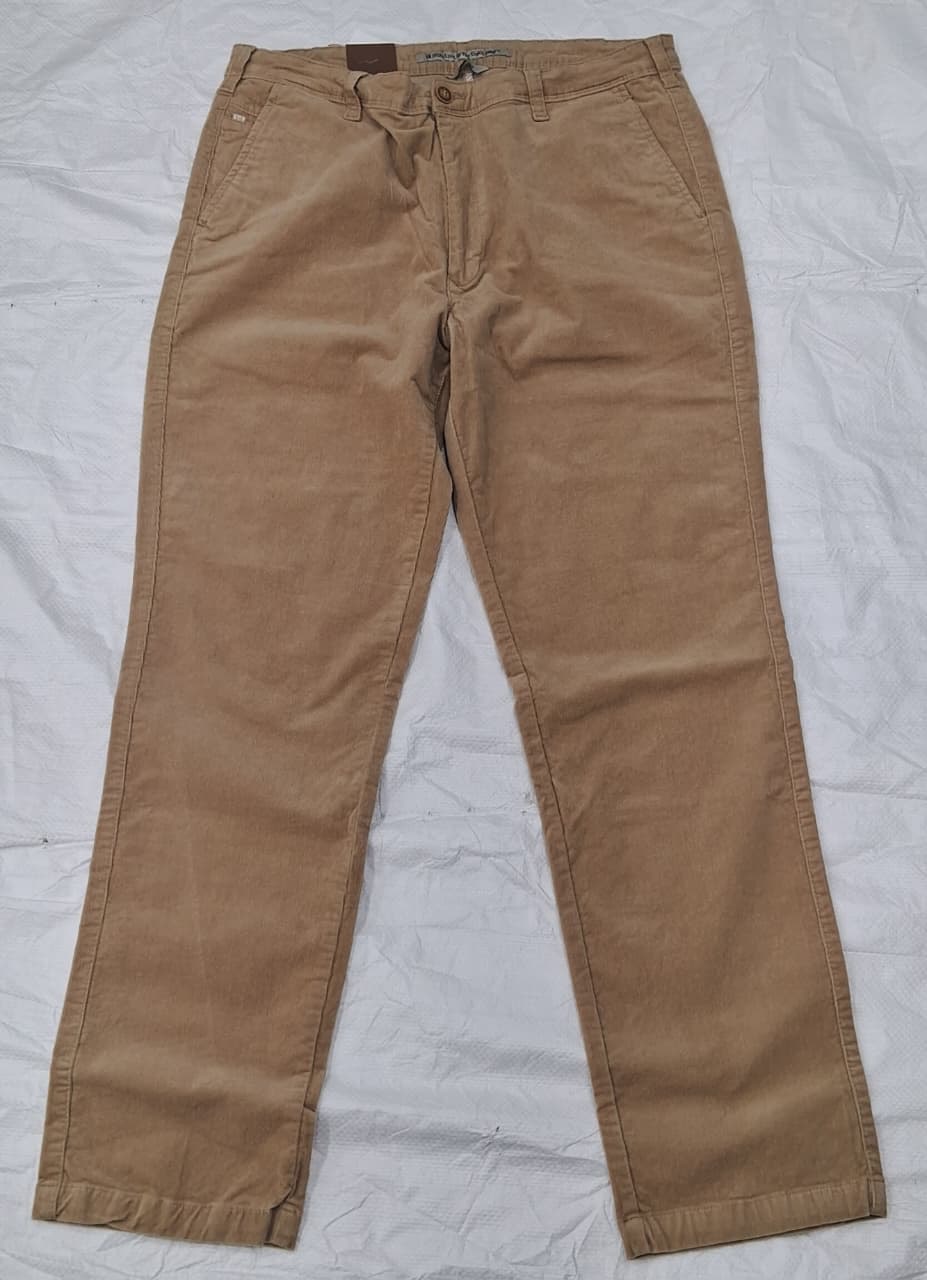
Tan textured trouser cloth in close view

Drawer 02Tan texture

Tan-brown melange trouser cloth in close view

Drawer 03Melange

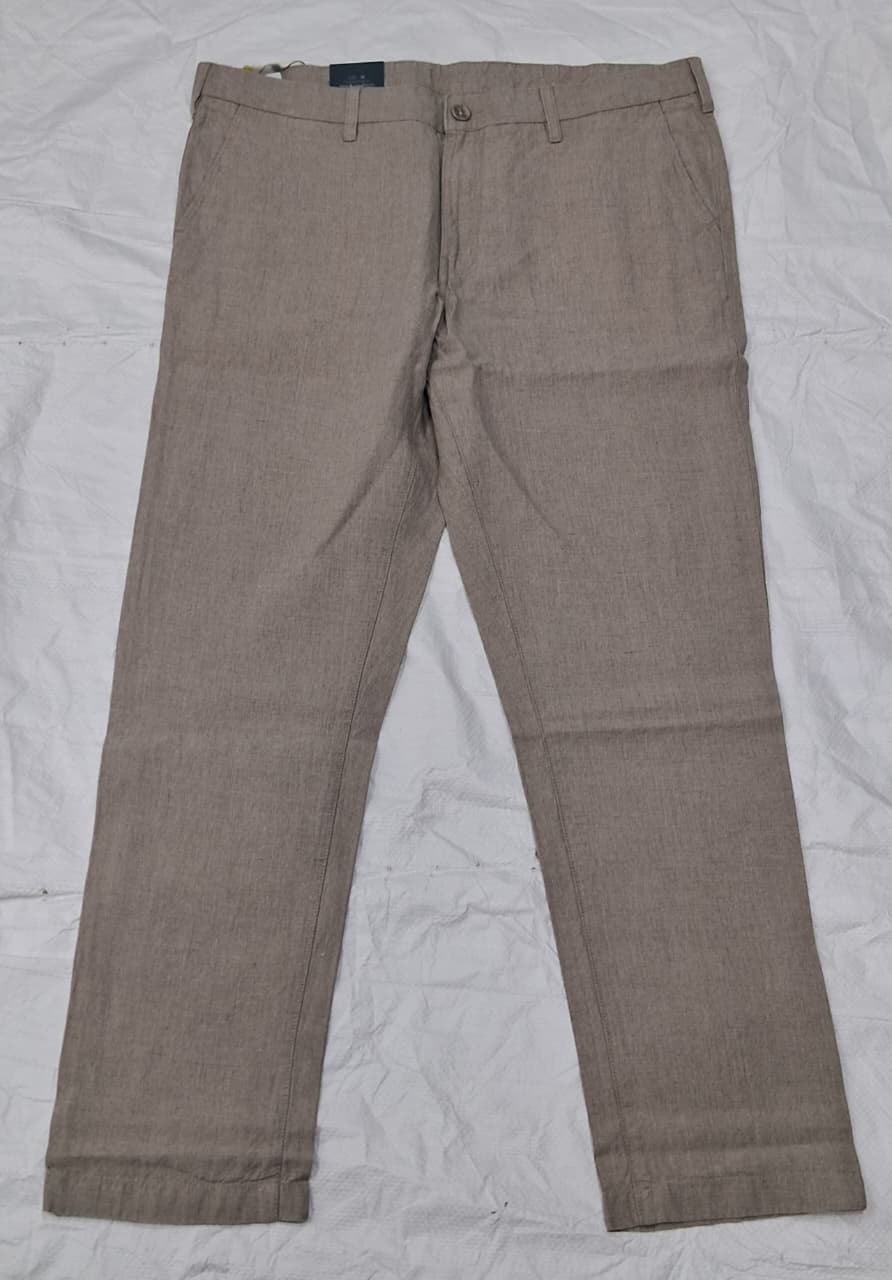
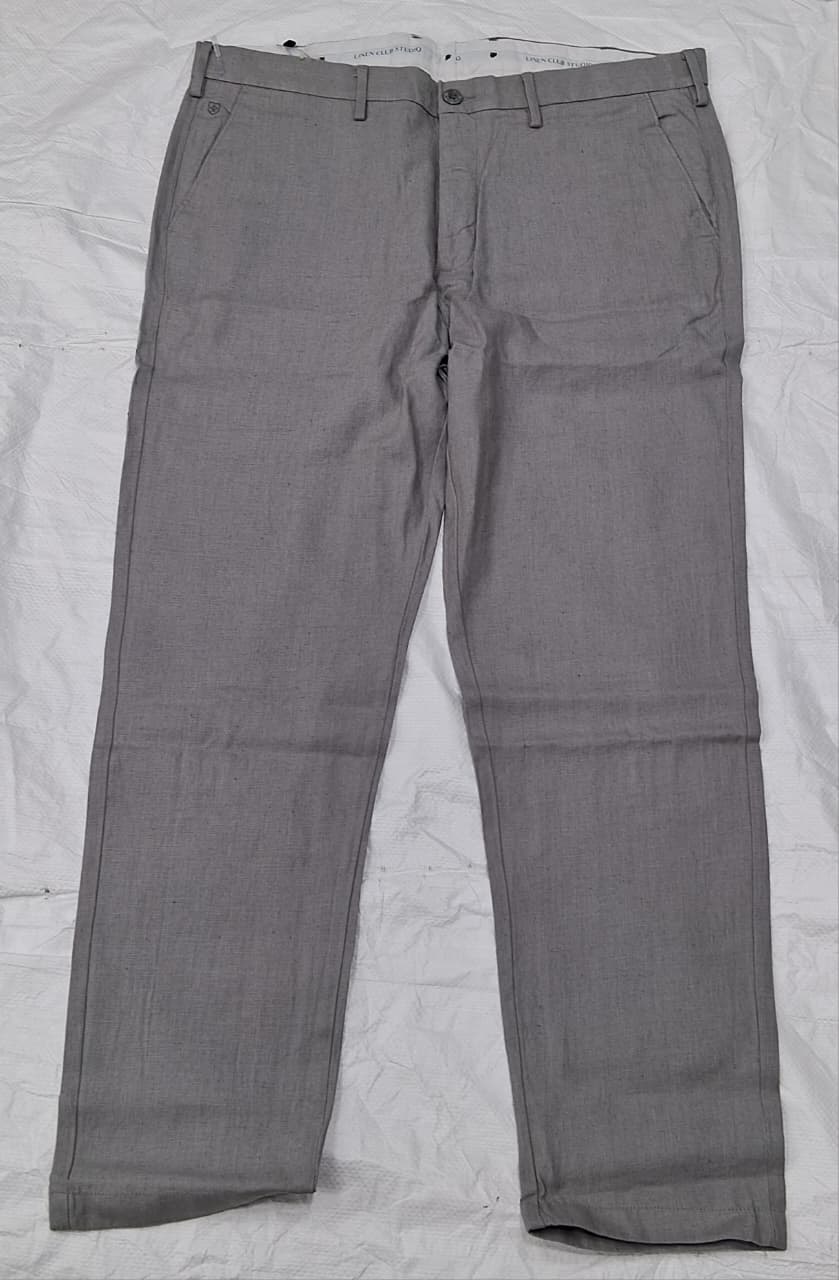
Grey textured trouser cloth in close view

Drawer 04Grey weave

Index of cloths

Seven fabric categories.

Cloth 01

Wool & wool blends

Wool has been the benchmark for formal trousers for generations. Its natural crimp gives it elasticity, so it recovers from creasing; it drapes fluidly and holds a pressed crease well. Lightweight, finely woven wools breathe surprisingly well in warm weather. Blends with polyester or other fibres add durability and make care easier while keeping much of wool’s look.

AppearanceSmooth to softly textured; refined
DrapeFluid, falls cleanly
ComfortBreathable, temperature-regulating
ConsiderOften needs gentler care
Cloth 02

Cotton

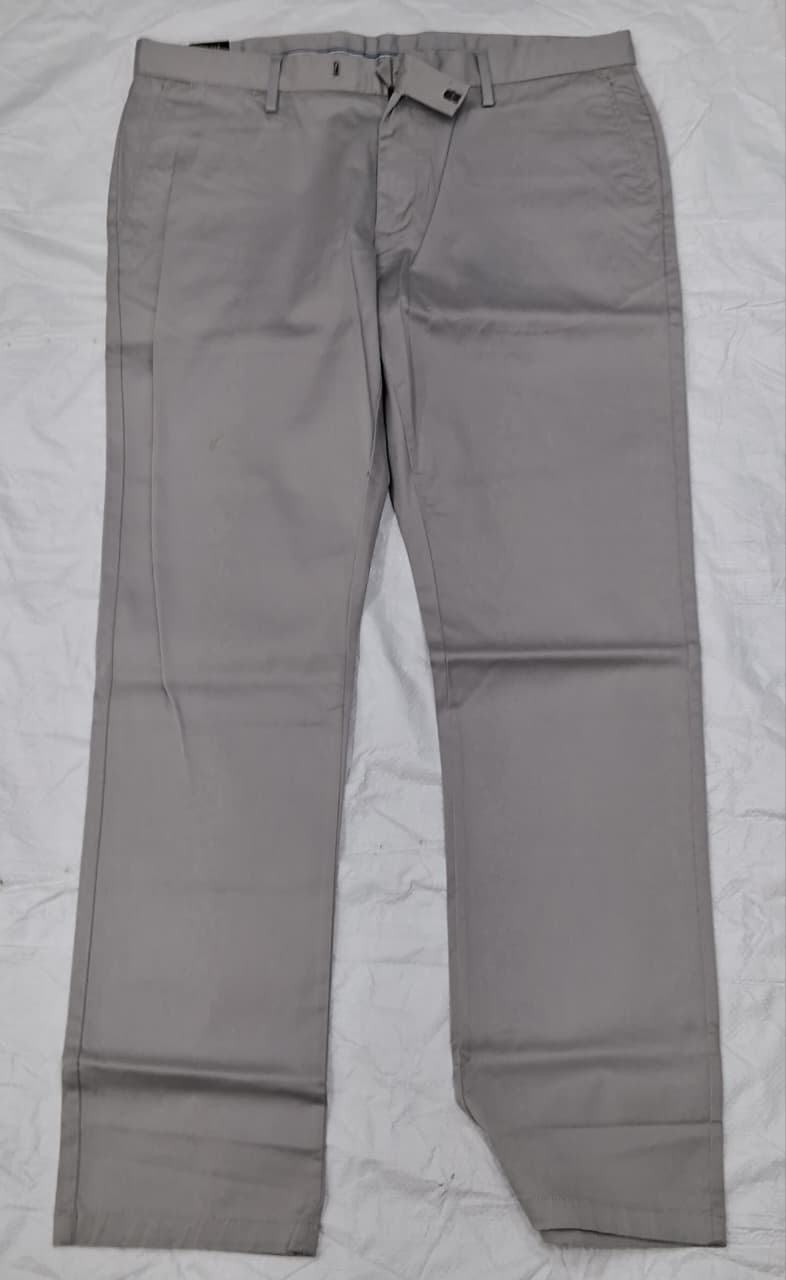
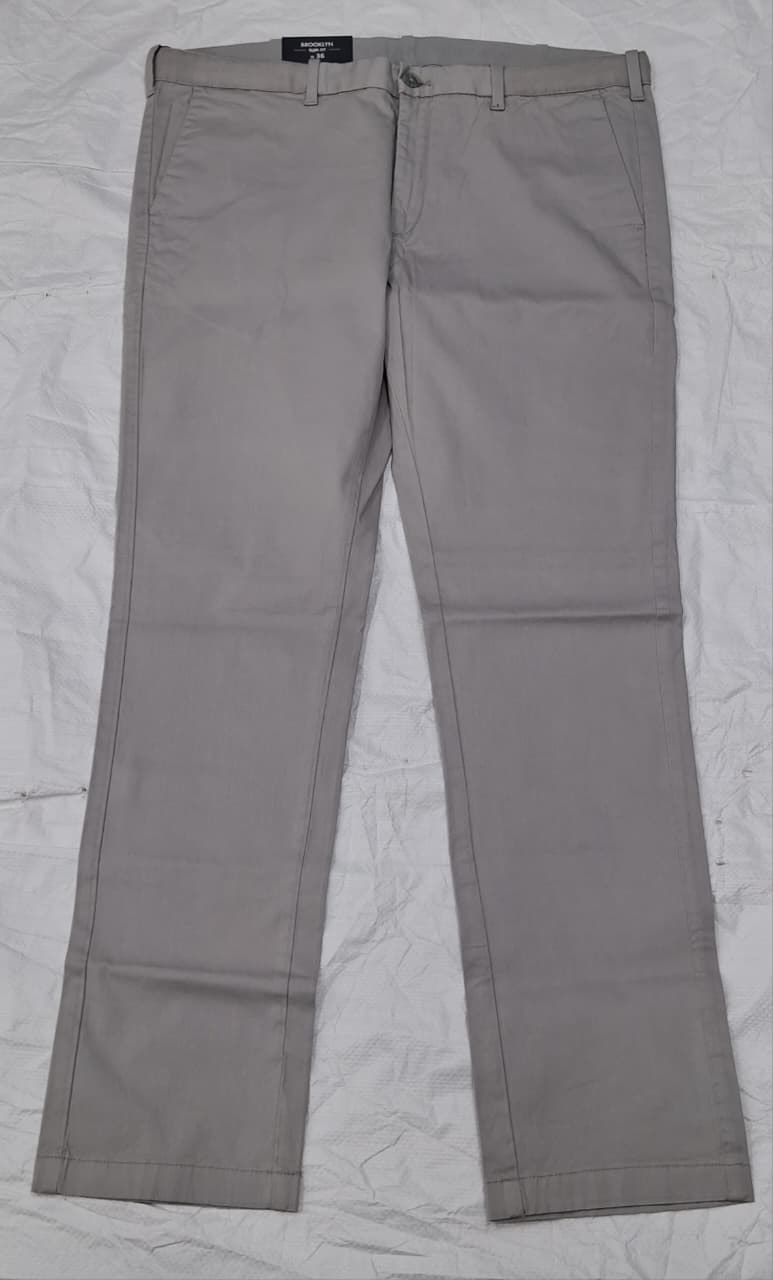
Light grey trousers laid flat

Cotton trousers are soft, breathable and matt in finish. They sit at the relaxed end of formal dressing — appropriate for many offices, particularly in warm climates. Cotton wrinkles more easily than wool or blends, so it benefits from regular pressing to keep a crisp crease.

AppearanceMatt, natural
DrapeStructured, slightly stiffer
ComfortSoft and breathable
ConsiderCreases readily; press often
Cloth 03

Cotton blends

Blending cotton with other fibres improves resistance to creasing and helps the trouser keep its shape through the day, while retaining most of cotton’s comfort. A practical, everyday choice for business dressing.

AppearanceClean, slightly smoother than pure cotton
DrapeBalanced
ComfortSoft, easy-wearing
ConsiderCheck the blend on the label
Cloth 04

Polyester blends

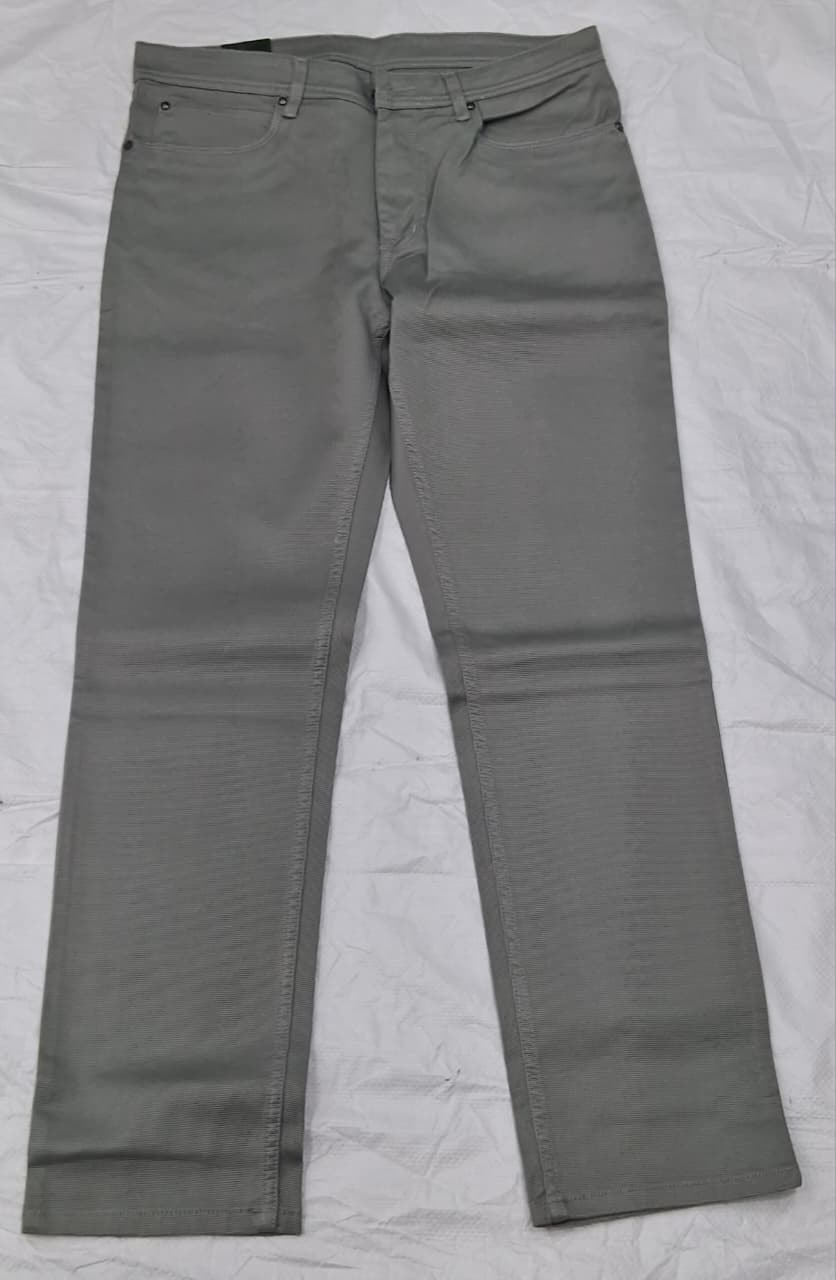
Grey-green trousers laid flat

Polyester blended with viscose or wool is common in formal trousers. Polyester contributes strength, crease resistance and easy care; viscose adds softness and drape; wool adds natural character. The result is a trouser that holds its crease and looks neat after a long day. Choose blends that still feel breathable against the skin, especially in humid weather.

AppearanceSmooth, often with a subtle sheen
DrapeClean, holds a crease
ComfortVaries with the blend
ConsiderBreathability in heat
Cloth 05

Stretch fabrics

A small proportion of elastane (also known as spandex or Lycra) adds give to the cloth. Stretch makes slim and tapered trousers far more comfortable for sitting, commuting and travelling. Good stretch fabrics recover their shape; poor ones bag at the knee and seat over time.

AppearanceSame as the base cloth
DrapeFollows the body
ComfortFreedom of movement
ConsiderAvoid high heat when ironing
Cloth 06

Textured formal fabrics

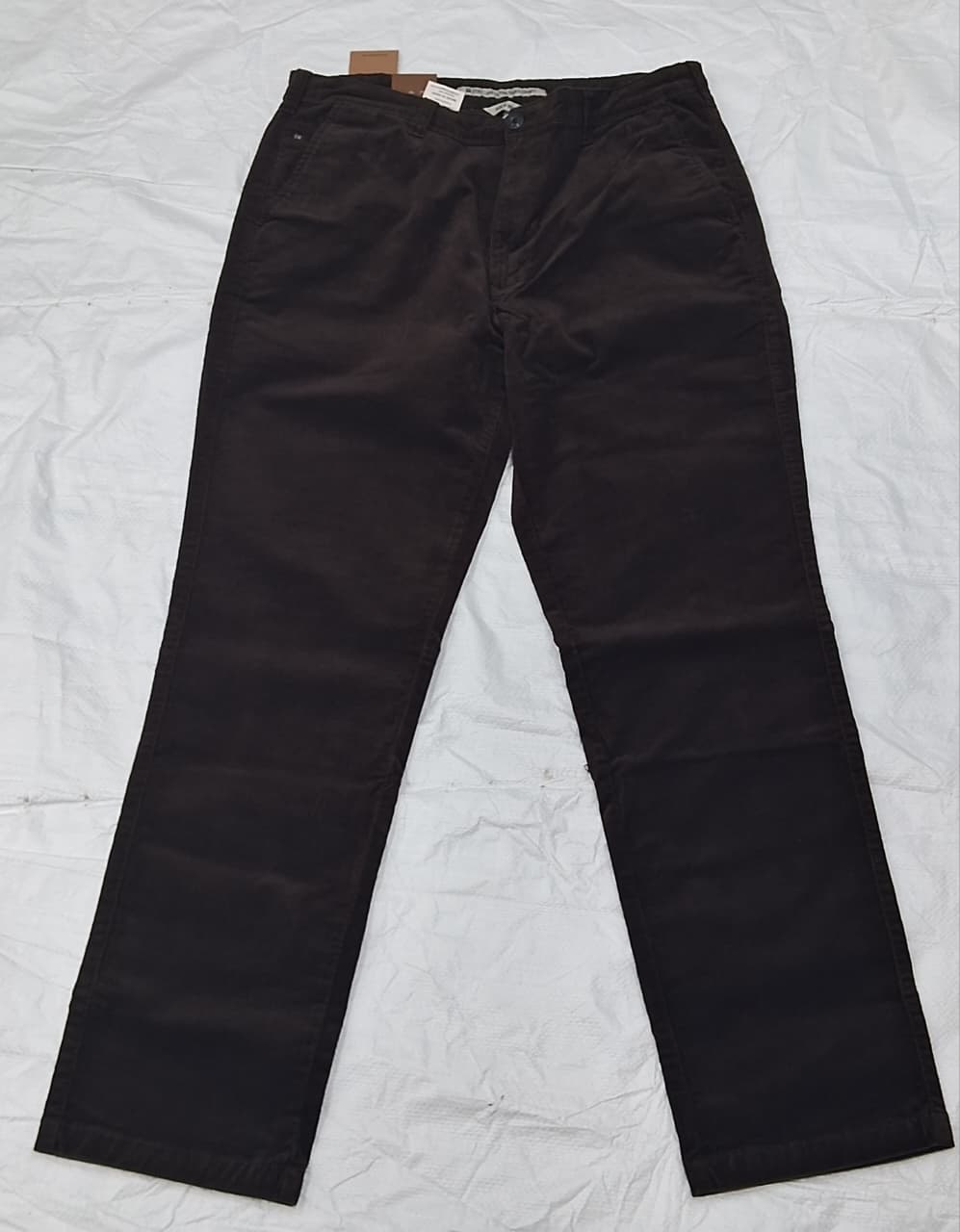
Dark brown trousers with a ribbed texture laid flat

Twills, herringbones, fine checks, melanges and subtle ribbed weaves bring depth to formal trousers. From a distance they read as a solid colour; up close they reward attention. Texture also tends to disguise small creases, making it practical as well as handsome.

AppearanceDepth and pattern up close
DrapeDepends on the weave
ComfortVaries
ConsiderPair with plain shirts
Cloth 07

Seasonal weights

Cloth weight affects warmth, drape and durability. Lighter, more open weaves let air through and suit Mumbai’s heat and humidity; heavier, denser cloths drape more firmly and suit air-conditioned offices and cooler months. A useful wardrobe includes both — lighter trousers for outdoor days, medium weights for the office.

LighterAiry, softer drape, warm weather
MediumAll-round, year-round
HeavierFirm drape, cooler settings
ConsiderYour commute and climate

Six properties

How to read a cloth with your hands.

Texture

Run your fingers across the surface. Smooth cloths look sharper and more formal; textured cloths feel warmer and more relaxed and hide everyday creasing.

Weight

Hold the trouser by the waistband. Lighter cloths feel airy and move freely; heavier cloths feel substantial and hang straighter.

Drape

Let the leg fall from your hand. A good formal cloth falls in a clean, unbroken line rather than collapsing or standing stiffly.

Stretch

Gently pull the cloth sideways and release. It should spring back fully — slow recovery hints at future bagging.

Breathability

Hold the cloth up to the light. Open weaves let light — and air — through. In hot, humid weather, breathability often matters more than anything else.

Crease recovery

Squeeze a corner in your fist for a few seconds and let go. The faster the creases fall out, the better the trouser will look at the end of the day.

Light grey formal trousers laid flat showing seams and finishing
Plate 04.5Seams & finishing
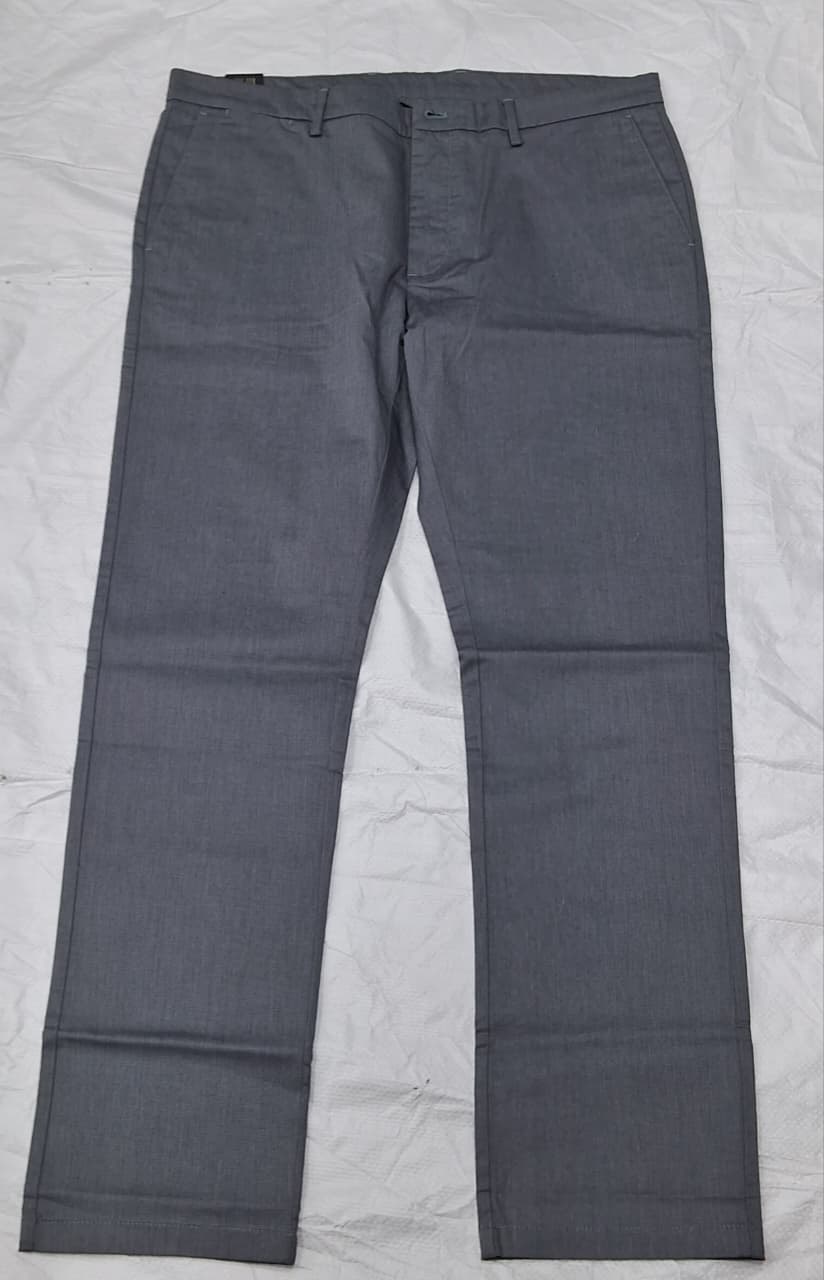
Grey-blue formal trousers laid flat showing a pressed crease and finished hem
Plate 04.6Crease & hem

Construction

From flat cloth to formal trouser.

Construction determines whether a trouser keeps its shape after months of wear. These are the stages where quality is won or lost.

  1. Cutting on the grain

    Panels cut accurately along the grain of the cloth hang straight. Off-grain cutting causes legs to twist after washing or wear.

  2. Stitching & seams

    Fine, even stitches with an appropriate density keep seams flat and strong. Inside, seam allowances are overlocked or bound so they do not fray.

  3. Waistband finishing

    A good waistband is interlined to prevent rolling, cleanly finished inside and secured with a sturdy hook, button or tab closure.

  4. Pocket construction

    Pockets are bagged in durable lining, reinforced at the corners and positioned so they lie flat. Back pockets are typically jetted for a clean seat.

  5. Fly & closure

    A neatly stitched fly with a guard behind the zip lies flat and smooth. The curve of the fly stitching should be even and symmetrical.

  6. Pressing & crease setting

    Pressing throughout construction — not just at the end — shapes the garment. The front crease is set centrally down each leg.

  7. Hem finishing

    Hems are usually blind-stitched so no stitching shows outside, with enough allowance left for future length adjustments.

Conservation

Care keeps the line.

Well-kept trousers last longer and look sharper. The single most important rule: follow the care label of each individual garment, because cloths and finishes vary.

  1. Hang by the hem or along the crease

    Clip hangers at the hem or folding along the crease over a bar lets gravity release wrinkles overnight.

  2. Rotate your trousers

    Avoid wearing the same pair on consecutive days. Rest allows fibres — especially wool — to recover their shape.

  3. Clean only when needed

    Brush off dust and spot-clean small marks. Over-washing and over-cleaning wear cloth faster than wearing it does.

  4. Press with care

    Use the heat setting appropriate for the fibre, and a pressing cloth on darker or finer fabrics to prevent shine.

  5. Empty the pockets

    Phones, wallets and keys distort pockets and stretch the cloth over time.

  6. Store and travel smartly

    In humid weather, give trousers air to prevent mustiness. When travelling, fold along the crease and roll rather than crush.